

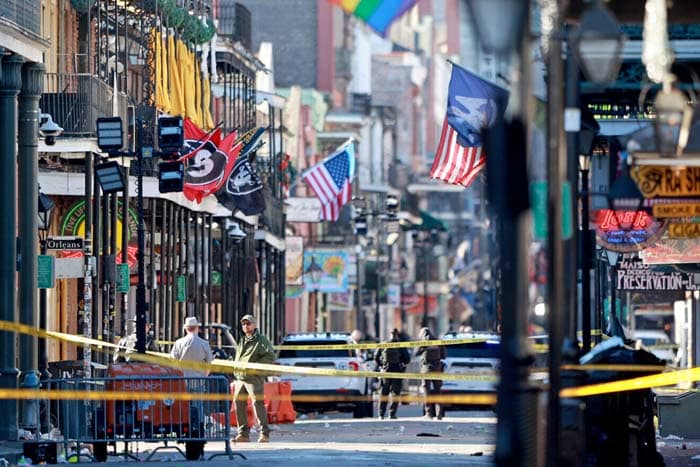
In the days following the tragic attack on New Orleans’ Bourbon Street, where a man drove a pick-up truck into crowds celebrating the new year, Nashville officials are reflecting on how to enhance safety measures to prevent similar incidents in their city. The attack, which resulted in the deaths of 15 people and injuries to dozens more, has sparked important conversations about public safety in bustling areas like Nashville’s Lower Broadway.
“Keeping Nashvillians safe will always be one of our top priorities,” Mayor Freddie O’Connell emphasized during his recent media briefing. Since taking office, O’Connell has initiated comprehensive reviews of safety threats in downtown Nashville, working closely with the Department of Homeland Security to ensure preparedness.


As news of the New Orleans attack spread, many locals expressed their concerns on social media, questioning what more could be done to protect Nashville’s popular entertainment district. “I’ve heard a lot of discussion about bollards recently,” O’Connell stated. “The ones already installed along Broadway can stop a 15,000-pound truck moving at high speed.” The city is now considering installing retractable bollards to further strengthen security in vulnerable areas.
Before the New Orleans incident, law enforcement had implemented measures like parking patrol cars on Bourbon Street to block vehicle access. However, surveillance footage revealed that the attacker drove around these patrol cars, maneuvering onto the sidewalk and into the crowd. Despite having retractable bollards, the city of New Orleans faced issues with malfunctioning equipment. Mayor LaToya Cantrell explained that the bollards had been clogged by Mardi Gras beads shortly after their installation in 2017. At the time of the attack, the city was in the process of replacing them as part of infrastructure upgrades ahead of the Super Bowl.
New Orleans Police Superintendent Anne Kirkpatrick acknowledged the challenges, explaining that while plans were in place, the attacker still managed to circumvent security measures. “We did, indeed, have a plan, but the terrorist defeated it,” she said.
Planning for large-scale events in Nashville is a collaborative effort involving multiple agencies, including the Police Department, the Department of Transportation, federal authorities, and city officials. Inspector Preston Brandimore of the Metro Nashville Police highlighted that no two events are the same, requiring constant adjustments and reviews. “Right up to the note dropping, we were constantly reviewing information,” Brandimore explained. “We work with specialized investigative teams and our federal partners to identify potential threats. Days before major events, we examine national incidents to adjust our security strategies.”
For major events like New Year’s Eve, the Fourth of July, and the CMA Fest, Nashville employs moveable barricades designed to stop heavy vehicles. Police cruisers are also strategically placed to block off Lower Broadway when necessary. Additionally, in 2022, Metro Nashville Police created the Entertainment District Unit, a dedicated team of about 40 officers focused exclusively on patrolling Broadway and Printer’s Alley. This unit has helped curb alcohol-related incidents and provides enhanced security during peak hours.
While the city continues to use moveable barricades, the idea of making Lower Broadway a pedestrian-only zone remains unlikely due to logistical challenges. “Broadway is a state route, which means the city cannot make that decision alone,” O’Connell said. “We would need cooperation from the Department of Transportation and possibly state legislation.”
Inspector Brandimore acknowledged the complexity of the situation, noting that downtown Nashville has evolved significantly over the years. “Nashville isn’t the same city it was 20 years ago,” he said. “There are more residents living downtown now, and they need access to certain areas. We’re always open to discussions to find the best solutions for public safety.”
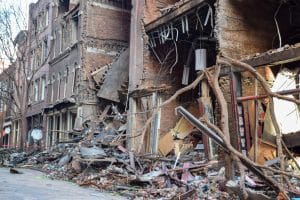
The conversation around security is not new to Nashville. On December 25, 2020, the city experienced a devastating attack when Anthony Quinn Warner detonated an RV bomb downtown. The explosion killed Warner, injured eight people, and damaged numerous buildings near Second Avenue North, disrupting communication services for days. Witnesses recalled hearing gunshots and warnings from loudspeakers on the RV instructing them to evacuate before the blast. The FBI later confirmed Warner acted alone.
These events serve as sobering reminders of the need for constant vigilance and proactive safety measures. Nashville officials are committed to learning from past incidents, both within their city and across the country, to ensure residents and visitors can enjoy the vibrant downtown area without fear.
As Nashville grows and attracts more tourists, the importance of balancing accessibility with security remains paramount. Mayor O’Connell and his team continue to engage in dialogue with stakeholders to enhance current measures, exploring innovations such as retractable bollards and increased surveillance. By staying adaptable and responsive, Nashville aims to create a safer environment for everyone.
Public input also plays a crucial role in shaping Nashville’s security strategies. Residents and business owners are encouraged to voice their concerns and provide feedback during community meetings and safety forums. This collaborative approach helps ensure that diverse perspectives are considered in the development of new policies and safety measures.
Nashville’s efforts to bolster security extend beyond physical barriers. Enhanced training for law enforcement and first responders is an essential part of the city’s strategy. Specialized drills, simulations, and joint exercises with federal agencies help prepare local teams for a wide range of scenarios, from vehicle attacks to active shooter situations. This proactive training ensures that emergency personnel can respond swiftly and effectively in times of crisis.
Technology is another vital component of Nashville’s evolving security landscape. The city is investing in advanced surveillance systems, including high-definition cameras, license plate readers, and real-time monitoring centers. These tools provide law enforcement with valuable data to detect suspicious activity, respond to incidents, and gather evidence for investigations.
Additionally, partnerships with private businesses and entertainment venues are strengthening Nashville’s overall security framework. Establishments along Lower Broadway are encouraged to adopt enhanced safety protocols, such as metal detectors, bag checks, and on-site security personnel. By fostering collaboration between the public and private sectors, the city aims to create a more secure environment for everyone.
Nashville’s ongoing commitment to safety underscores the city’s resilience and dedication to protecting its residents and visitors. Through continuous evaluation, innovation, and collaboration, Nashville strives to be a model for other cities seeking to enhance their security measures. As Mayor O’Connell aptly stated, “Our goal is to ensure that Nashville remains a safe, welcoming place for all who come here to live, work, and enjoy our vibrant culture.”


